Russia: Visa free Travel to Hong Kong!


Svet and I like to travel and we only travel to countries that have no visa issues with Russians. Russia is one of those countries that does a visa in accordance to how you do a visa! If you require a visa for Russians than Russia requires a visa for you. (At least in most cases.)

Russia and Hong Kong could introduce a visa-free regime for its nationals by spring 2009, the South China Morning Post said on Monday citing Russia’s Consul General Sergei Gritsay.

The document was approved on September 11, during a visit by a delegation of the Russian foreign ministry to Hong Kong. The agreement is expected to be signed once all state agencies have approved the document.

Hong Kong has seen a significant increase in imports and tourism from Russia. Imports in the first nine months grew 47.3% year-on-year, while the number of Russian tourists to Hong Kong rose by more than 10,000 visitors.

This would be a good place for Svet and I to go next year…

Update:
http://www.russia.com.hk/en/node/67

The Agreement between the Government of the Russian Federation and the Government of the Hong Kong SAR of the PRC on Mutual Exemption of Visa Requirements for Nationals of the Russian Federation and Permanent Residents of the Hong Kong SAR of the PRC came into force on 1 July 2009. The Agreement provides for a mutual visa-free access to the nationals of the Russian Federation and permanent residents of the Hong Kong SAR (holders of the Hong Kong SAR passport) for a stay of up to 14 days in the area of the Hong Kong SAR and the territory of the Russian Federation respectively.

Cool and thanks to Jim Wong who gave me an update over the e-mail…

  • Hats Off to Hong Kong – Hong Kong, China (travelpod.com)
  • Made in Canada? – Hong Kong, China (travelpod.com)
  • The Asia Chronicles: Hong Kong / China Openings; Hiring Boom In First Quarter ’11? (abovethelaw.com)
  • Hong Kong in 18 Hours – Hong Kong, China (travelpod.com)
  • Hong Kong, Hong Kong (alexeysmirnov.name)

Russia: What Does Russian News Say About Obama?

It has been an historic week for President-elect Barack Obama, but even the future leader of the free world isn’t immune to the rigors of Russian airport security. When he was a Senator, Mr Obama had first hand experience of Russian hospitality in European continent’s most eastern city, Perm.

If you show Barack Obama pictures of an airport in the city of Perm and you may see a look of horror. Although, he will tell you his time in detention here was far more pleasant than a turn in a Soviet gulag. (Link)


*******
He’s cool, charismatic and sexy! Americans seem to be collectively swooning over Barack Obama. And, while it’s his policies that have primarily attracted them, some haven’t been shy about admitting they find America’s President-elect fetching. (Link)
*******
Just two days after the outcome of the U.S. presidential election, issues of American newspapers detailing Barack Obama’s victory have become bibliographical rarities. They are now being sold on eBay for record prices. (Link)
*******
In his congratulation letter to president-elect Barack Obama, Victor Yushchenko used an archaic title reserved for top generals and their civil counterparts in tsarist Russia.
*******
The Ukrainian President wished good health and success to “His High Excellency” Barack Obama. (Link)
*******
Lego toys and Barbie dolls are on their way to the White House, as the newly-elected U.S. President Barack Obama makes plans to move his family to Washington DC. (Link)
*******
U.S. stock markets are continuing to plummet, and two days after the United States elected Barack Obama as its new leader, the economic crisis in the country is deepening. How to revive the struggling economy is one of the toughest issues America’s 44th president has to tackle. (Link)
*******
While the world suffers from the financial crisis, U.S. Democratic presidential candidate Barack Obama has faced criticism for spending more than $US 3 million on a 30-minute campaign commercial, which was broadcast through the whole country. (Link)
*******
Two white supremacists have been charged with plotting to assassinate U.S. presidential candidate Barack Obama. A court in Tennessee was told the plan was uncovered by federal agents who believed the pair also planned a murder spree. They are said to have also plotted to kill over a hundred African-American people. (Link)

Interesting….

Kyle & Svet

comments always welcome.

Will Russia Trust the West Again?

Hello,

As I was drinking my morning cup of coffee today: The issues and facts of the Georgian – Russian 5 day war, is starting to switch directions. More and more articles by CNN, Time and Reuters are starting to show up on the front page questioning the validity of Georgia’s claims about the war. This is nothing new as far as this blog is concerned, Windows to Russia has kept the stance the whole time that Georgia started the war….

LONDON, November 9 (The Sunday Times) –

Two former British military officers are expected to give crucial evidence against Georgia when an international inquiry is convened to establish who started the country’s bloody five-day war with Russia in August.

Ryan Grist, a former British Army captain, and Stephen Young, a former RAF wing commander, are said to have concluded that, before the Russian bombardment began, Georgian rockets and artillery were hitting civilian areas in the breakaway region of South Ossetia every 15 or 20 seconds.

Their accounts seem likely to undermine the American-backed claims of President Mikhail Saakashvili of Georgia that his little country was the innocent victim of Russian aggression and acted solely in self-defence.

During the war both Grist and Young were senior figures in the Organisation for Security and Cooperation in Europe (OSCE). The organisation had deployed teams of unarmed monitors to try to reduce tension over South Ossetia, which had split from Georgia in a separatist struggle in the early 1990s with Russia’s support.

It has been a hard issue for Moscow to try to comprehend the Worlds backing of Georgia (Saakashvili) and the negative hate toward Moscow over this war.

It showed Moscow that the West can not be trusted…….

Kyle & Svet

comments always welcome.

Russia: What makes the Iskander Missile Factor Important?

The Iskander Factor

The Russian President’s pledge to deploy short-range Iskander-M missiles to the Kaliningrad Region has been no surprise to specialists. First Deputy Prime Minister Sergei Ivanov mentioned it back last July. In fact it is a matter of rearming the 152nd missile brigade in Chernyakhovsk area, the Kaliningrad Region (the brigade is currently equipped with 18 launch systems of the Tochka-U (Point-U) complex, with their range reaching 120 kilometers).

Rearmament will significantly improve this unit’s firepower. Iskander-M, which has been supplied to the Russian Army since 2005, is equipped with short-range ballistic missiles with the range of 500 kilometers. It will enable the brigade to hit targets in Poland, East Germany and Northern Czech Republic, taking aim at the U.S. AMD elements to be deployed to Poland and the Czech Republic. Although Iskander-M missiles’ accuracy is kept in secret, it is considered that their circular error probable (CEP) is only a few meters, which allows them to hit well-protected targets, including U.S. Ground-Based Interceptors’ (GBI) launchers. It need be added that Russia has never denied the possibility to equip Iskander-M missiles with nuclear warheads.

After 2009 Iskander-M missiles’ firepower may be even improved by means of equipping them with high-accuracy subsonic cruise missiles R-500, which are now tested. The range of these missiles, which are analogue of the U.S. Tomahawk, can amount to 1,000 kilometers. A standard Iskander-M launcher can have six missiles of this type, instead of two ballistic missiles (such a complex will be then called Iskander-K).

The 152nd brigade is unlikely to be reamed before 2010-2011. Probably its rearmament will be timed to the U.S. GBI deployment in Poland so that Russia’s measure would not appear too aggressive.

In military terms, deploying Iskander-M missiles to the Kaliningrad Region will mean boosting the Russian western group’s capabilities – it will be able to hit almost any target in North-Eastern Europe. At the same time, it is very difficult to intercept Iskander-M ballistic missiles with the West’s aircraft defense systems; and mobile launchers are hard to detect too.

Thus it is no surprise that Russia’s plan have caused Europe’s concern. Iskander may become quite an argument when Europeans consider whether their security is worth the U.S. global military and political ambitions. Iskanders in Kaliningrad are much more palpable than hypothetical Iranian missiles. (Link)

Russian News: November 8th, 2008!

Hot News!RBC, 07.11.2008, Moscow 18:40:56.Severstal has completed the acquisition of the U.S.-based PBS Coals, the Russian steel producer said in a statement. To this end, the steelmaker acquired 99 percent in PBS under an offer to buy shares, and, with an over 90 percent stake in its hands, Severstal demanded the forced sale of the remaining shares. It is presumed that PBS will also be delisted from the Toronto Stock Exchange, Canada.

RBC, 07.11.2008, Moscow 17:54:51.The government has scheduled to issue infrastructure bonds in the first quarter of 2009 to finance infrastructure projects based on private-public partnerships. The issue will be part of the government’s effort to shore up Russia’s financial sector and certain economic areas approved by Prime Minister Vladimir Putin today.

RBC, 07.11.2008, Moscow 17:32:13.By the end of the month, the Russian government is expected to draft recommendations for commercial banks (including those partly owned by the state) on providing priority loans to a number of economy sectors. This information is contained in an action plan aimed at recovering the financial sector and certain economy sectors. The plan was prepared in accordance with the president’s commission and approved by Prime Minister Vladimir Putin. The automobile industry, agricultural engineering, aviation and real estate construction are cited as Russia’s priority industries.

RBC, 07.11.2008, Vladikavkaz 16:18:03.Investigators have found parts of a device, which contained a bomb and was worn by the female suicide bomber at the site of the explosion in Vladikavkaz. According to a source in North Ossetia’s law enforcement authorities, the device is most likely an explosive belt.

RBC, 07.11.2008, Moscow 16:02:19.The real effective ruble rate added 5.7 percent from January to October, 2008, the Bank of Russia reported. This value includes a 0.1 percent rise against the dollar, and a 10.2 percent rise against the euro.

RBC, 07.11.2008, Moscow 15:56:05.In 2009, production of unique nanomaterials for the aviation industry will be launched in Moscow, said Alexander Yuzvik, general director of the Moscow-based state-owned company Stroyexprom. The decision to set up the operations on the territory of the now closed AZLK car factory was made by the city’s authorities and the Russian Corporation of Nanotechnology.

RBC, 07.11.2008, Moscow 14:15:29.Russia’s Foreign Ministry has received new missile defense proposals from the United States, Igor Lyakin-Frolov, deputy head of the ministry’s press and information department, told RBC. “We are studying them now, and as soon as these proposals are considered we will discuss the timing of the bilateral meeting,” he said.

RBC, 07.11.2008, Moscow 13:19:48.The Russian State Duma has approved a series of amendments to Russia’s legislative anti-corruption acts. The changes specify the status of judges, members of legislative (representative) bodies of all levels, election commissions, as well as that of chairman, deputy chairman and auditors of the Audit Chamber of Russia and employees of the Central Bank.

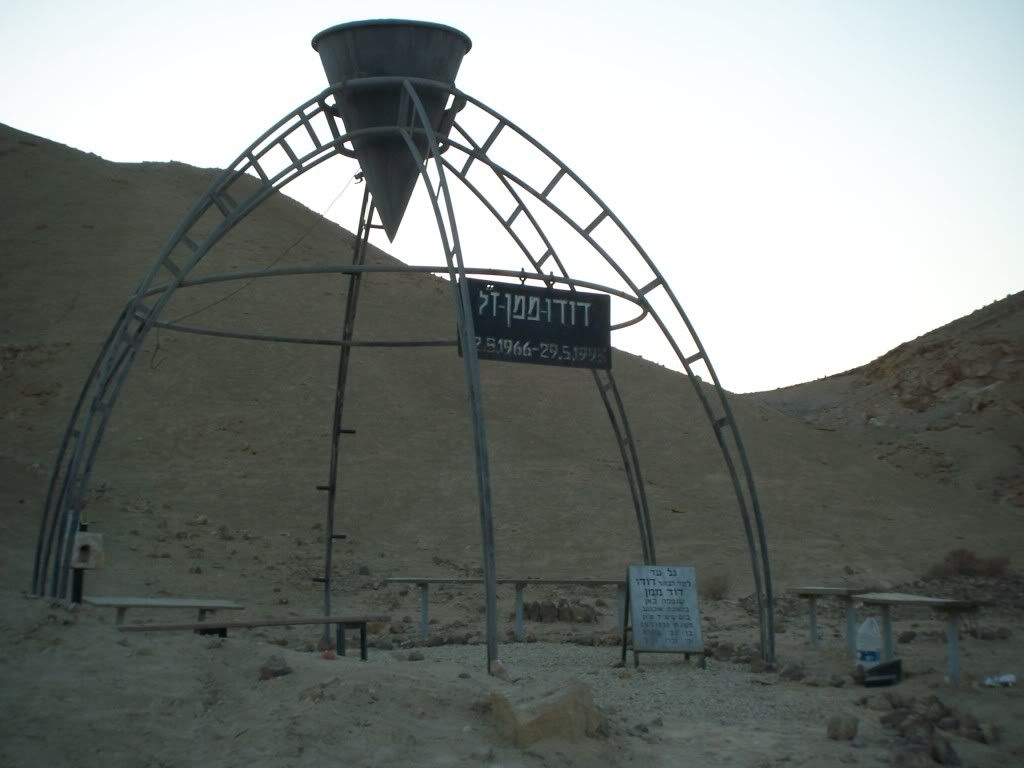
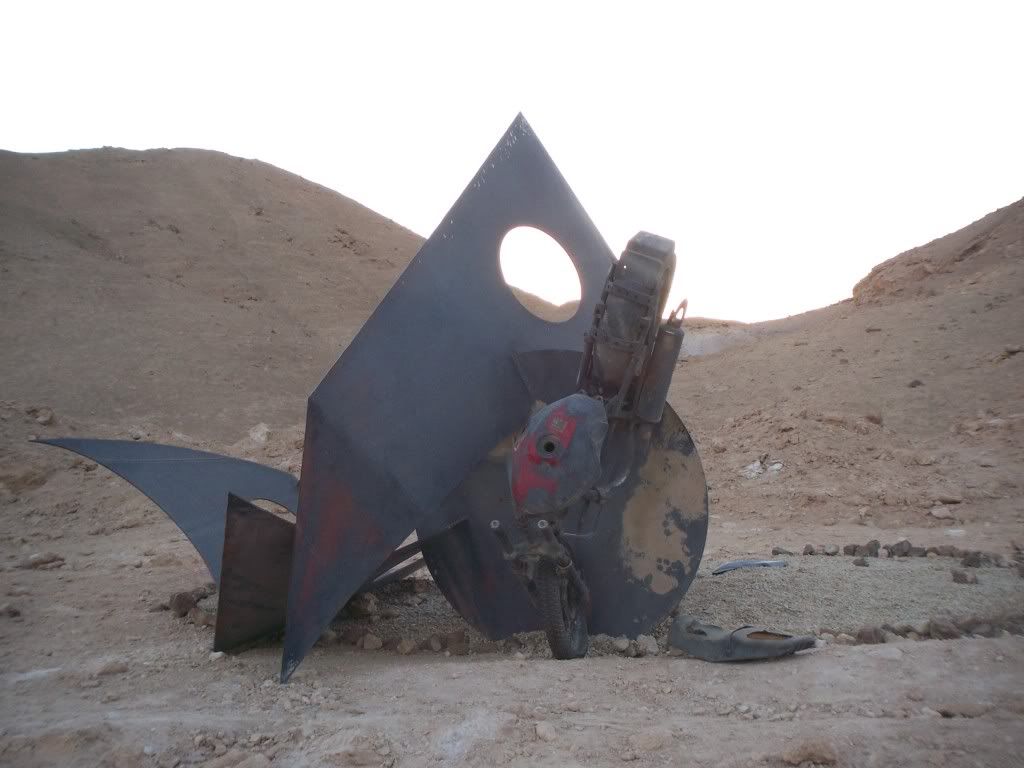
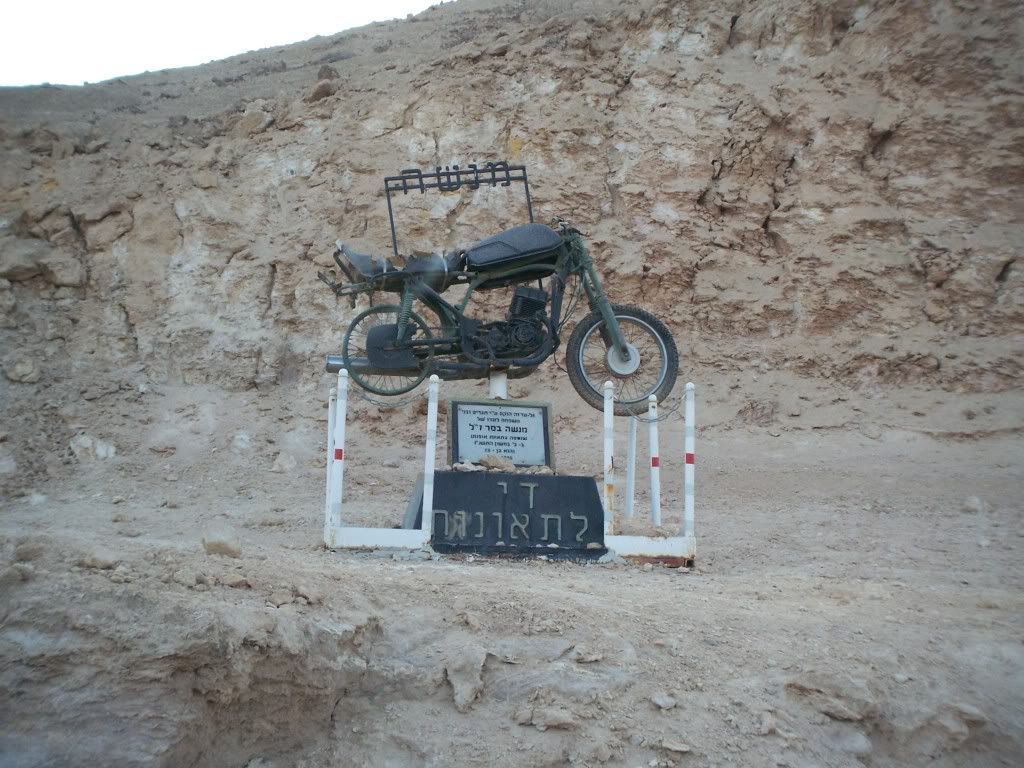
Windows to Russia: Vacation Pictures in Israel – Part 2!

Hello,

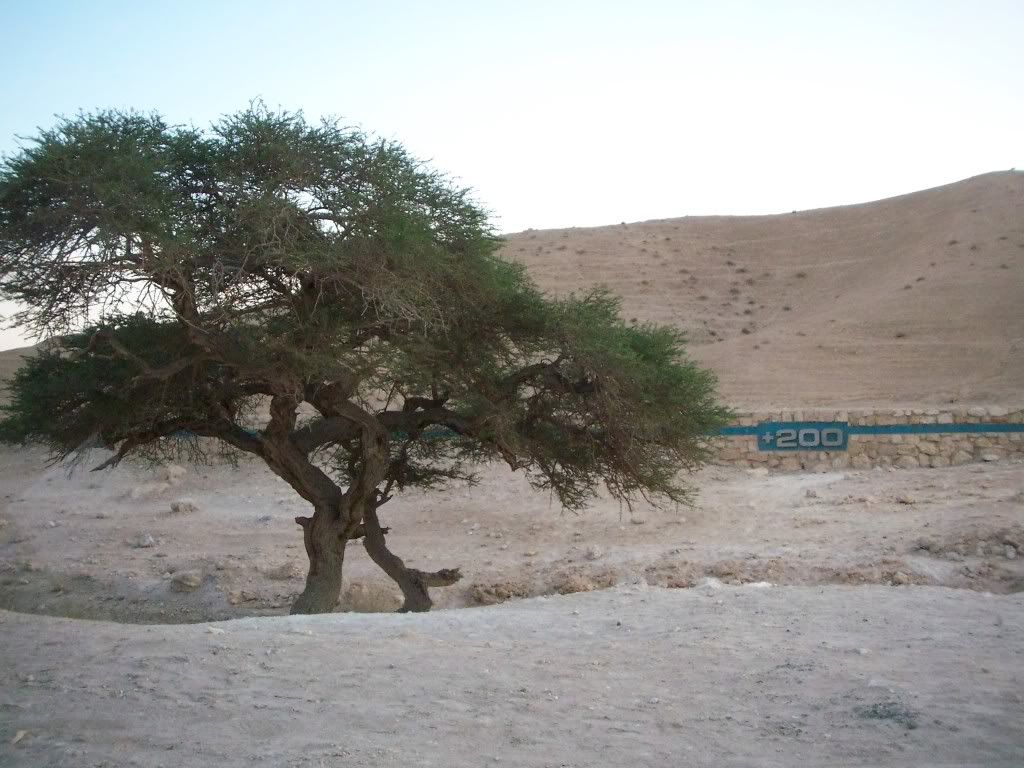
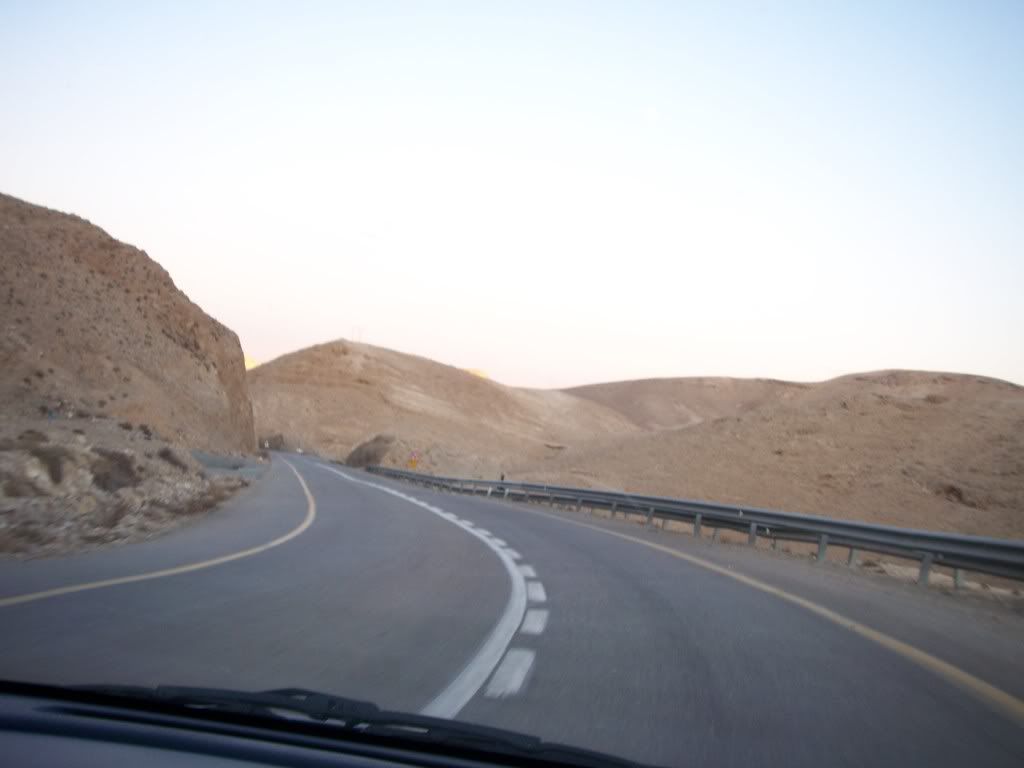
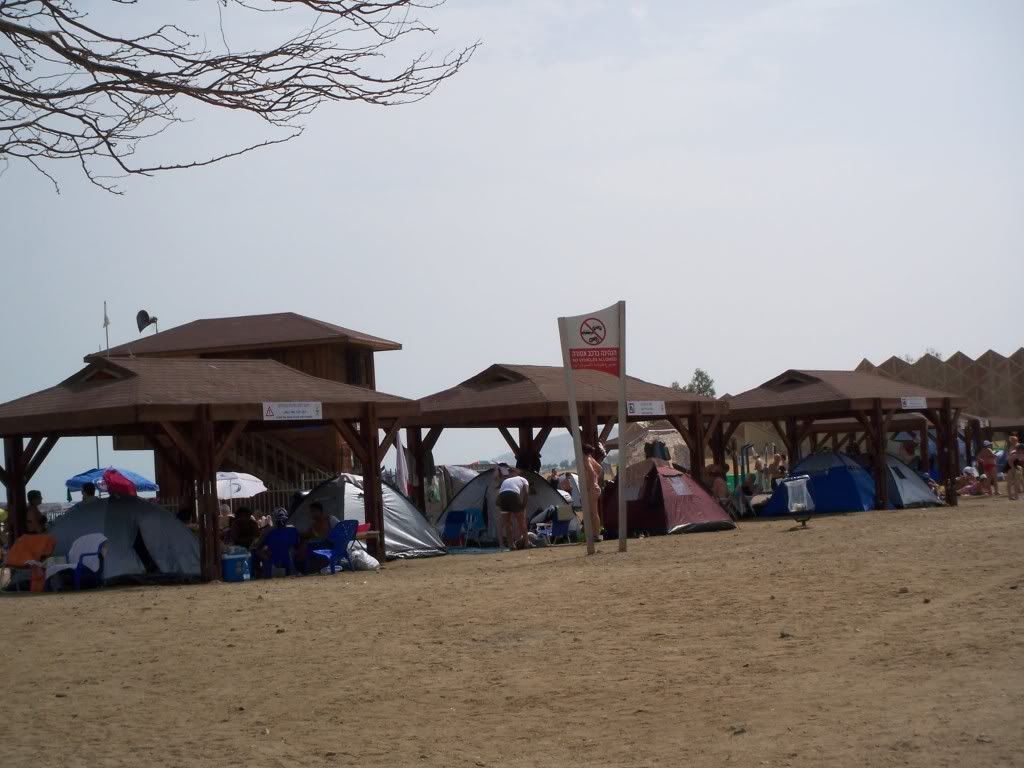
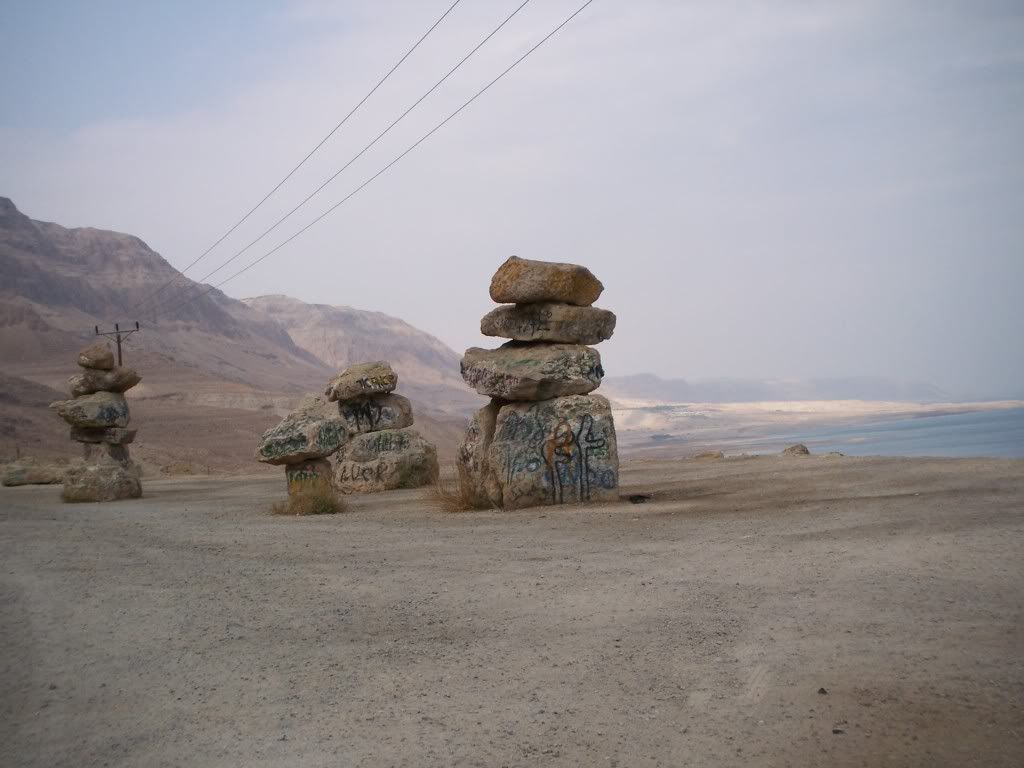
Today we have more pictures of Israel.

I do not know what this is but I liked it! 🙂
This belonged with the picture above.
I do not know?
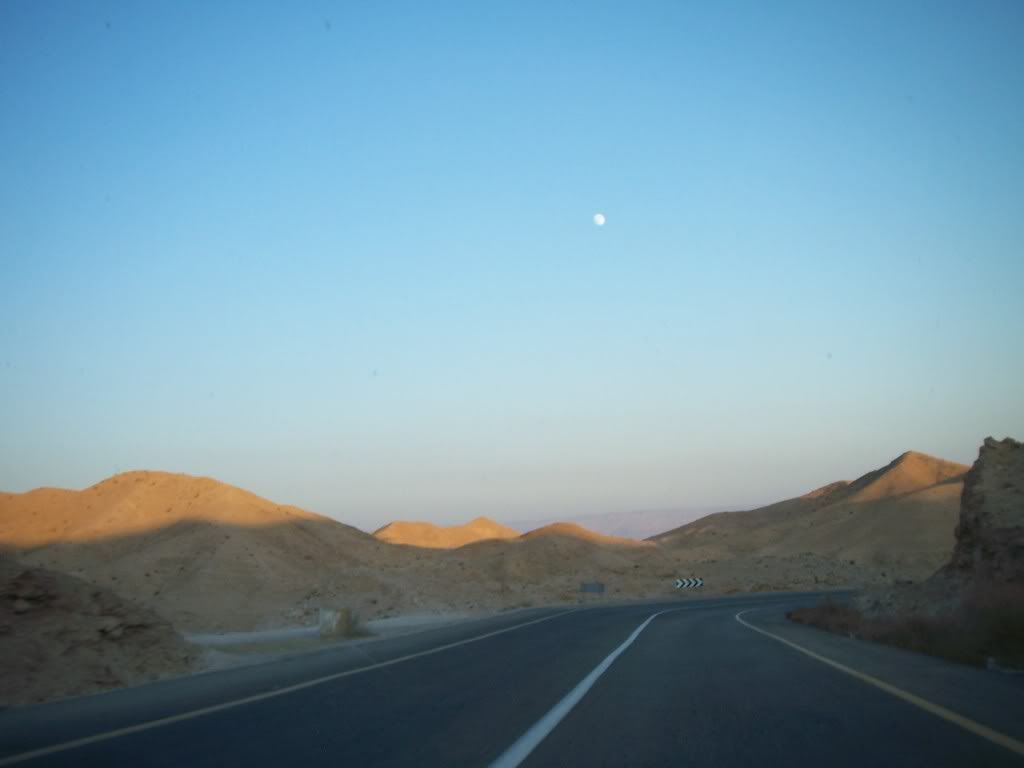
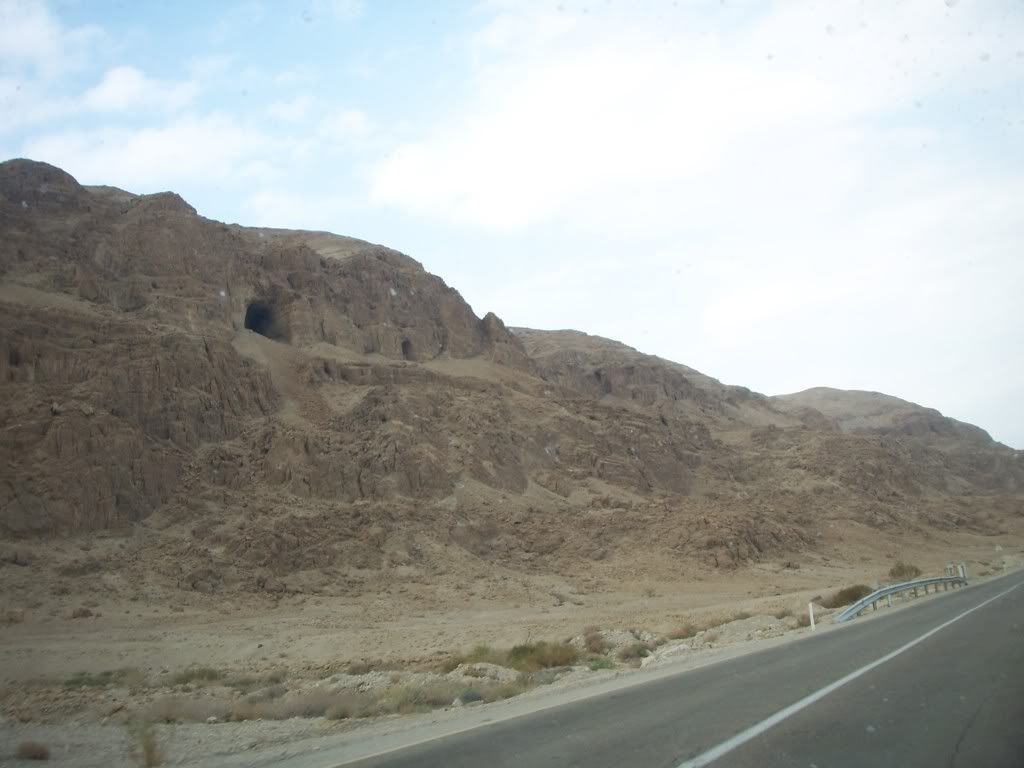
This is what Israel looks like!
At 200 meters above Sea level but we end up 500 meters below Sea level!
Rocks and more rocks and more rocks!
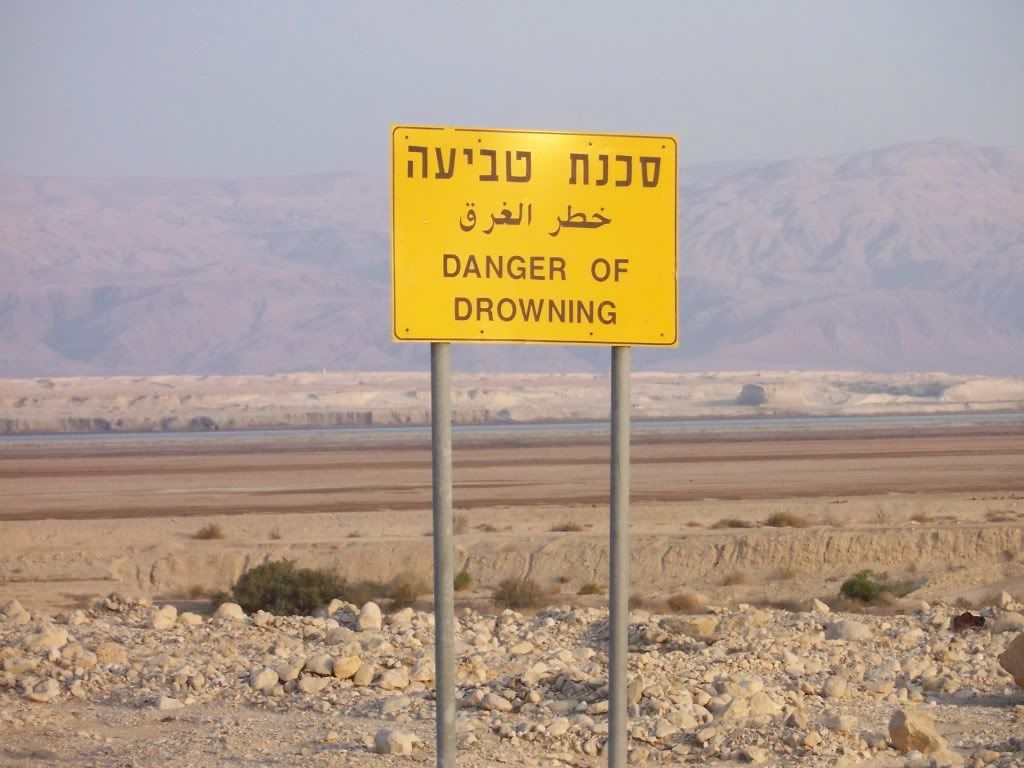
Dead Sea and you just float around!
This is how we are going to stay next time we visit the Dead Sea!
Again not sure what they put the rocks here for. But it was an overlook area!
Caves everywhere!
Looks strange, but it means for the flash floods from the mountains.
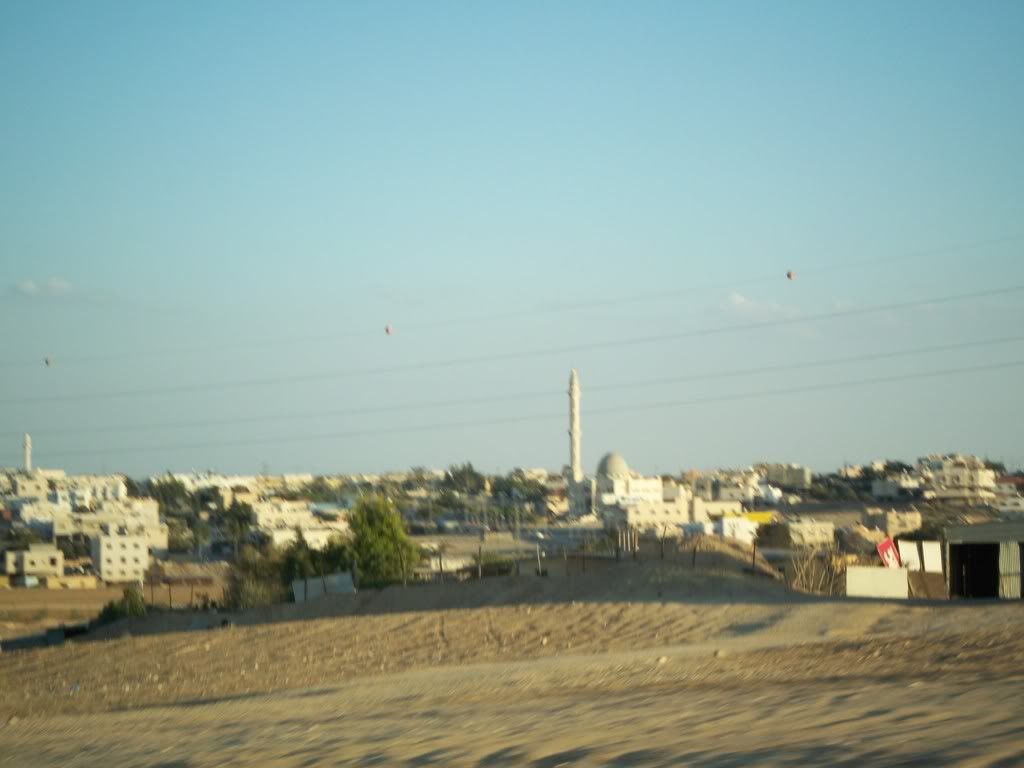
Typical City!


We may post one more round of pictures. We have lots and it is hard to decide what to post. We decided not to post the pictures of the normal attraction but to post pictures that you do not see on the internet all the time.

We hope that you enjoy!

Kyle & Svet

New York Times: They Have Actually Questioned the Georgia War! (OMG)

November 7, 2008
Georgia Claims on Russia War Called Into Question
By C. J. CHIVERS and ELLEN BARRY

TBILISI, Georgia — Newly available accounts by independent military observers of the beginning of the war between Georgia and Russia this summer call into question the longstanding Georgian assertion that it was acting defensively against separatist and Russian aggression.

Instead, the accounts suggest that Georgia’s inexperienced military attacked the isolated separatist capital of Tskhinvali on Aug. 7 with indiscriminate artillery and rocket fire, exposing civilians, Russian peacekeepers and unarmed monitors to harm.

The accounts are neither fully conclusive nor broad enough to settle the many lingering disputes over blame in a war that hardened relations between the Kremlin and the West. But they raise questions about the accuracy and honesty of Georgia’s insistence that its shelling of Tskhinvali, the capital of the breakaway region of South Ossetia, was a precise operation. Georgia has variously defended the shelling as necessary to stop heavy Ossetian shelling of Georgian villages, bring order to the region or counter a Russian invasion.

President Mikheil Saakashvili of Georgia has characterized the attack as a precise and defensive act. But according to observations of the monitors, documented Aug. 7 and Aug. 8, Georgian artillery rounds and rockets were falling throughout the city at intervals of 15 to 20 seconds between explosions, and within the first hour of the bombardment at least 48 rounds landed in a civilian area. The monitors have also said they were unable to verify that ethnic Georgian villages were under heavy bombardment that evening, calling to question one of Mr. Saakashvili’s main justifications for the attack.

Senior Georgian officials contest these accounts, and have urged Western governments to discount them. “That information, I don’t know what it is and how it is confirmed,” said Giga Bokeria, Georgia’s deputy foreign minister. “There is such an amount of evidence of continuous attacks on Georgian-controlled villages and so much evidence of Russian military buildup, it doesn’t change in any case the general picture of events.”

He added: “Who was counting those explosions? It sounds a bit peculiar.”

The Kremlin has embraced the monitors’ observations, which, according to a written statement from Grigory Karasin, Russia’s deputy foreign minister, reflect “the actual course of events prior to Georgia’s aggression.” He added that the accounts “refute” allegations by Tbilisi of bombardments that he called mythical.

The monitors were members of an international team working under the mandate of the Organization for Security and Cooperation in Europe, or O.S.C.E. A multilateral organization with 56 member states, the group has monitored the conflict since a previous cease-fire agreement in the 1990s.

The observations by the monitors, including a Finnish major, a Belorussian airborne captain and a Polish civilian, have been the subject of two confidential briefings to diplomats in Tbilisi, the Georgian capital, one in August and the other in October. Summaries were shared with The New York Times by people in attendance at both.

Details were then confirmed by three Western diplomats and a Russian, and were not disputed by the O.S.C.E.’s mission in Tbilisi, which was provided with a written summary of the observations.

Mr. Saakashvili, who has compared Russia’s incursion into Georgia to the Nazi annexations in Europe in 1938 and the Soviet suppression of Prague in 1968, faces domestic unease with his leadership and skepticism about his judgment from Western governments.

The brief war was a disaster for Georgia. The attack backfired. Georgia’s army was humiliated as Russian forces overwhelmed its brigades, seized and looted their bases, captured their equipment and roamed the country’s roads at will. Villages that Georgia vowed to save were ransacked and cleared of their populations by irregular Ossetian, Chechen and Cossack forces, and several were burned to the ground.

Massing of Weapons

According to the monitors, an O.S.C.E. patrol at 3 p.m. on Aug. 7 saw large numbers of Georgian artillery and grad rocket launchers massing on roads north of Gori, just south of the enclave.

At 6:10 p.m., the monitors were told by Russian peacekeepers of suspected Georgian artillery fire on Khetagurovo, an Ossetian village; this report was not independently confirmed, and Georgia declared a unilateral cease-fire shortly thereafter, about 7 p.m.

During a news broadcast that began at 11 p.m., Georgia announced that Georgian villages were being shelled, and declared an operation “to restore constitutional order” in South Ossetia. The bombardment of Tskhinvali started soon after the broadcast.

According to the monitors, however, no shelling of Georgian villages could be heard in the hours before the Georgian bombardment. At least two of the four villages that Georgia has since said were under fire were near the observers’ office in Tskhinvali, and the monitors there likely would have heard artillery fire nearby.

Moreover, the observers made a record of the rounds exploding after Georgia’s bombardment began at 11:35 p.m. At 11:45 p.m., rounds were exploding at intervals of 15 to 20 seconds between impacts, they noted.

At 12:15 a.m. on Aug. 8, Gen. Maj. Marat M. Kulakhmetov, commander of Russian peacekeepers in the enclave, reported to the monitors that his unit had casualties, indicating that Russian soldiers had come under fire.

By 12:35 a.m. the observers had recorded at least 100 heavy rounds exploding across Tskhinvali, including 48 close to the observers’ office, which is in a civilian area and was damaged.

Col. Gen. Anatoly Nogovitsyn, a spokesman for the Russian Defense Ministry, said that by morning on Aug. 8 two Russian soldiers had been killed and five wounded. Two senior Western military officers stationed in Georgia, speaking on condition of anonymity because they work with Georgia’s military, said that whatever Russia’s behavior in or intentions for the enclave, once Georgia’s artillery or rockets struck Russian positions, conflict with Russia was all but inevitable. This clear risk, they said, made Georgia’s attack dangerous and unwise.

Senior Georgia officials, a group with scant military experience and personal loyalties to Mr. Saakashvili, have said that much of the damage to Tskhinvali was caused in combat between its soldiers and separatists, or by Russian airstrikes and bombardments in its counterattack the next day. As for its broader shelling of the city, Georgia has told Western diplomats that Ossetians hid weapons in civilian buildings, making them legitimate targets.

“The Georgians have been quite clear that they were shelling targets — the mayor’s office, police headquarters — that had been used for military purposes,” said Matthew J. Bryza, a deputy assistant secretary of state and one of Mr. Saakashvili’s vocal supporters in Washington.

Those claims have not been independently verified, and Georgia’s account was disputed by Ryan Grist, a former British Army captain who was the senior O.S.C.E. representative in Georgia when the war broke out. Mr. Grist said that he was in constant contact that night with all sides, with the office in Tskhinvali and with Wing Commander Stephen Young, the retired British military officer who leads the monitoring team.

“It was clear to me that the attack was completely indiscriminate and disproportionate to any, if indeed there had been any, provocation,” Mr. Grist said. “The attack was clearly, in my mind, an indiscriminate attack on the town, as a town.”

Mr. Grist has served as a military officer or diplomat in Northern Ireland, Cyprus, Kosovo and Yugoslavia. In August, after the Georgian foreign minister, Eka Tkeshelashvili, who has no military experience, assured diplomats in Tbilisi that the attack was measured and discriminate, Mr. Grist gave a briefing to diplomats from the European Union that drew from the monitors’ observations and included his assessments. He then soon resigned under unclear circumstances.

A second briefing was led by Commander Young in October for military attachés visiting Georgia. At the meeting, according to a person in attendance, Commander Young stood by the monitors’ assessment that Georgian villages had not been extensively shelled on the evening or night of Aug. 7. “If there had been heavy shelling in areas that Georgia claimed were shelled, then our people would have heard it, and they didn’t,” Commander Young said, according to the person who attended. “They heard only occasional small-arms fire.”

The O.S.C.E turned down a request by The Times to interview Commander Young and the monitors, saying they worked in sensitive jobs and would not be publicly engaged in this disagreement.

Grievances and Exaggeration

Disentangling the Russian and Georgian accounts has been complicated. The violence along the enclave’s boundaries that had occurred in recent summers was more widespread this year, and in the days before Aug. 7 there had been shelling of Georgian villages. Tensions had been soaring.

Each side has fresh lists of grievances about the other, which they insist are decisive. But both sides also have a record of misstatement and exaggeration, which includes circulating casualty estimates that have not withstood independent examination. With the international standing of both Russia and Georgia damaged, the public relations battle has been intensive.

Russian military units have been implicated in destruction of civilian property and accused by Georgia of participating with Ossetian militias in a campaign of ethnic cleansing. Russia and South Ossetia have accused Georgia of attacking Ossetian civilians.

But a critical and as yet unanswered question has been what changed for Georgia between 7 p.m. on Aug 7, when Mr. Saakashvili declared a cease-fire, and 11:30 p.m., when he says he ordered the attack. The Russian and Ossetian governments have said the cease-fire was a ruse used to position rockets and artillery for the assault.

That view is widely held by Ossetians. Civilians repeatedly reported resting at home after the cease-fire broadcast by Mr. Saakashvili. Emeliya B. Dzhoyeva, 68, was home with her husband, Felix, 70, when the bombardment began. He lost his left arm below the elbow and suffered burns to his right arm and torso. “Saakashvili told us that nothing would happen,” she said. “So we all just went to bed.”

Neither Georgia nor its Western allies have as yet provided conclusive evidence that Russia was invading the country or that the situation for Georgians in the Ossetian zone was so dire that a large-scale military attack was necessary, as Mr. Saakashvili insists.

Georgia has released telephone intercepts indicating that a Russian armored column apparently entered the enclave from Russia early on the Aug. 7, which would be a violation of the peacekeeping rules. Georgia said the column marked the beginning of an invasion. But the intercepts did not show the column’s size, composition or mission, and there has not been evidence that it was engaged with Georgian forces until many hours after the Georgian bombardment; Russia insists it was simply a routine logistics train or troop rotation.

Unclear Accounts of Shelling

Interviews by The Times have found a mixed picture on the question of whether Georgian villages were shelled after Mr. Saakashvili declared the cease-fire. Residents of the village of Zemo Nigozi, one of the villages that Georgia has said was under heavy fire, said they were shelled from 6 p.m. on, supporting Georgian statements.

In two other villages, interviews did not support Georgian claims. In Avnevi, several residents said the shelling stopped before the cease-fire and did not resume until roughly the same time as the Georgian bombardment. In Tamarasheni, some residents said they were lightly shelled on the evening of Aug. 7, but felt safe enough not to retreat to their basements. Others said they were not shelled until Aug 9.

With a paucity of reliable and unbiased information available, the O.S.C.E. observations put the United States in a potentially difficult position. The United States, Mr. Saakashvili’s principal source of international support, has for years accepted the organization’s conclusions and praised its professionalism. Mr. Bryza refrained from passing judgment on the conflicting accounts.

“I wasn’t there,” he said, referring to the battle. “We didn’t have people there. But the O.S.C.E. really has been our benchmark on many things over the years.”

The O.S.C.E. itself, while refusing to discuss its internal findings, stood by the accuracy of its work but urged caution in interpreting it too broadly. “We are confident that all O.S.C.E. observations are expert, accurate and unbiased,” Martha Freeman, a spokeswoman, said in an e-mail message. “However, monitoring activities in certain areas at certain times cannot be taken in isolation to provide a comprehensive account.”

C.J. Chivers reported from Tbilisi, Georgia, and Ellen Barry from Moscow. Olesya Vartanyan contributed reporting from Tbilisi, and Matt Siegel from Tskhinvali, Georgia.

Russia: Once Again the West Does Not Like Being Slapped! (Again and Again)

Hello,

I have had a good laugh today. The Western World has gone bonkers! The Western press and Governments in the USA and Europe have once again made it look like Russia is a bad, lowlife and despicable Empire of Evil.

All President Medvedev had to do was threaten to put Missiles in Kaliningrad as a response to the USA putting Missiles in Europe and you would have thought that Medvedev was a demon from Hades!

It is OK for the Western world to put missiles knocking on Russia’s borders.
It is OK for NATO to expand to the Russian borders.
In fact it is OK for the West to do anything it wants and do not question it or else.

But let Russia counter move anything that the West does and let the games begin….

Weapon of Mass Irritation

Europe is enraged at Dmitry Medvedev’s address

The West is enraged at the statement in Dmitry Medvedev’s address that Moscow is ready to deploy short-range Iskander missiles in Kaliningrad in response to the U.S. deploying AMD elements in Europe. The EU calls the Russian government’s plans “unpleasant surprise” and “blackmailing”. Even Russia’s traditional partners condemned it this time: German Foreign Minister Frank-Walter Steinmeier called Mr Medvedev’s words “the wrong message at the wrong moment”. Moreover, the EU and NATO are preparing for responding to Moscow’s “aggressive” actions.

Yesterday Russian President Dmitry Medvedev became one of the key newsmakers in the West. Abstracts from his first state of the nation address were cited by many European papers. Their attention was mainly drawn by the part concerning Russia’s possible reaction to the U.S. deploying AMD elements in Europe. “Moscow playing muscles”, “Russia threats”, “Russia and Obama: Welcome to cold war” – these are the headlines of yesterday’s newspapers in Germany, Belgium, Austria and Britain.

Warsaw negatively reacted to the prospect of Iskander missiles’ appearing in Kaliningrad. Poland will be its main target because it is there that Washington plans to deploy its ten AMD elements. According to Polish Foreign Office Chief Radoslav Sikorski, “Dmitry Medvedev’s statement is no friendly act.” “What worries us the most is that earlier we heard such rhetoric from generals, and now we hear it from the President when he delivers his keynote speech,” the Minister said. Chairman of the Polish Parliament Bronislav Komorovski was not that diplomatic, “Now that a new administration has come to power in the U.S., such statements only aggravate the situation. They resemble blackmailing, which no one approves of.”Read More of Original article:

Yesterday I said that this was a Chess move. Right now it is just a check in Chess. But it could become a Checkmate!

Why should any one be surprised by Medvedev’s remarks? Many NATO members and the EU itself have doubts why the US needs to deploy an anti-missile in Europe. If Iran and North Korea are a threat – Washington’s so-called “rogue states” – then place the anti-missile system in a place that could counter these so-called threats. The fact is Iran and North Korea are not a threat to Europe. But such a system is a very real threat to Russia.

When Medvedev brought up the issue of countering Washington’s plan for anti-missile defense, media reaction was largely negative. Medvedev was deemed as rude, insensible, aggressive, and speaking out of turn. The commentate consensus tells us to be nice and respectful of America’s president-elect. Sure. Why not? But the commentary is not made up of leaders. The commentary is rarely, if ever, held accountable for what it says and writes. Medvedev doesn’t have this luxury.

I thought Medvedev’s speech was brilliant. It hit all the right buttons. No leader today can afford to take national security lightly, particularly the Russian president. The West has repeatedly lied to and taken advantage of Russia since the end of the Cold War. Medvedev reminded Obama that just because there will be a new occupant in the American White House doesn’t mean Russia will change or sacrifice its security interests. Medvedev did Obama a favor: the new American president should have no illusions about where Russia stands. Read More Of Original Article:

Peter Lavelle’s writings above get to the point. The point is the West does not like reality and Russia keeps having to slap the Western worlds face with reality!

Kyle & Svet

comments always welcome.

PS: I do not think that with the state of financial affairs in America that my, yours or anyones tax money needs to go into Europe and build missile defense systems.

Update: The United States is “frustrated” at Moscow’s refusal again to cooperate on missile defense in Europe, U.S. State Department spokesman Robert Wood has stated. “It seems that every time we put forward a proposal, they reject it,” Wood said on Monday. However, Russian Foreign Minister Sergey Lavrov stated on Saturday that Russia would negotiate with the new U.S. administration on the missile program.

Moscow, Russia: Winter Has Arrived!

Hello,

Today in Moscow, Russia the snow was falling as I walked the dog. It swirled all around and the dog chased the snow bunnies! The temperature has hovered around 0 degrees C. all day and the last of the leaves blew off the trees. Brrrrr….

Looks like Old Man Winter has arrived!

Kyle & Svet

comments always welcome

What is Russia Playing Around With Now?

Russia to Loan Money to Cuba
The RF government sanctioned yesterday the loan to Cuba. The money will go for buying Russia’s goods and services, RIA Novosti reported with reference to November 1 ruling. The maximum amount is $335 million.

Then maybe if Obama is smart he will ….

Obama, Medvedev Might Meet This Month
Russia’s President Dmitry Medvedev may meet with U.S. President-elect Barack Obama already this month, RF Foreign Minister Sergei Lavrov said.

Then Russia…

Russia Sends Helicopters to Central Africa
The Russian Federation and the European Union inked in Brussels an agreement on Russia’s participation in the EU military mission in Chad and the Central African Republic (EUFOR Tchad/CAR), the RF Foreign Ministry announced.

Of course Russia has to stir up the European area….

Poland hits out at Medvedev’s missile plans
The Russian president’s remarks concerning the possible deployment of tactical missiles near Poland are an “unfriendly act,” the Polish foreign minister said on Thursday.

Seems to always be a bus blown up somewhere. Why kill innocent people…

11 killed in public minibus explosion in North Ossetia’s capital
Eleven people were killed in a public minibus explosion in the center of the capital of Russia’s North Caucasus republic of North Ossetia, investigators said Thursday.

Ukraine keeps playing games with USA warships….

U.S. warship sails near Ukrainian port but skips planned visit
The USS Mount Whitney maneuvered for some three hours in the Black Sea near the Ukrainian port of Sevastopol on Thursday, but did not dock at the port as previously planned.

Bond, James Bond…..

Latest James Bond smash opens in Russia
The much-anticipated James Bond film Quantum of Solace, featuring Britain’s Daniel Craig as the world’s most famous spy, opened in movie theaters across Russia on Thursday.

Medvedev means what he says….

Medvedev: Change for America, change for Russia
In the meantime, Western media perceived the political part of Medvedev’s address as hostile criticism. Many newspapers wrote that Medvedev attempted to warn US President-elect Barack Obama against the deployment of the missile defense system in Europe. Foreign journalists were surprised with Medvedev’s suggestion to extend the presidential term in Russia from four to six years. It is worthy of note that Putin was strongly against making any constitutional changes at this point.

Yup, just another day in Moscow!

Kyle & Svet

comments always welcome.